

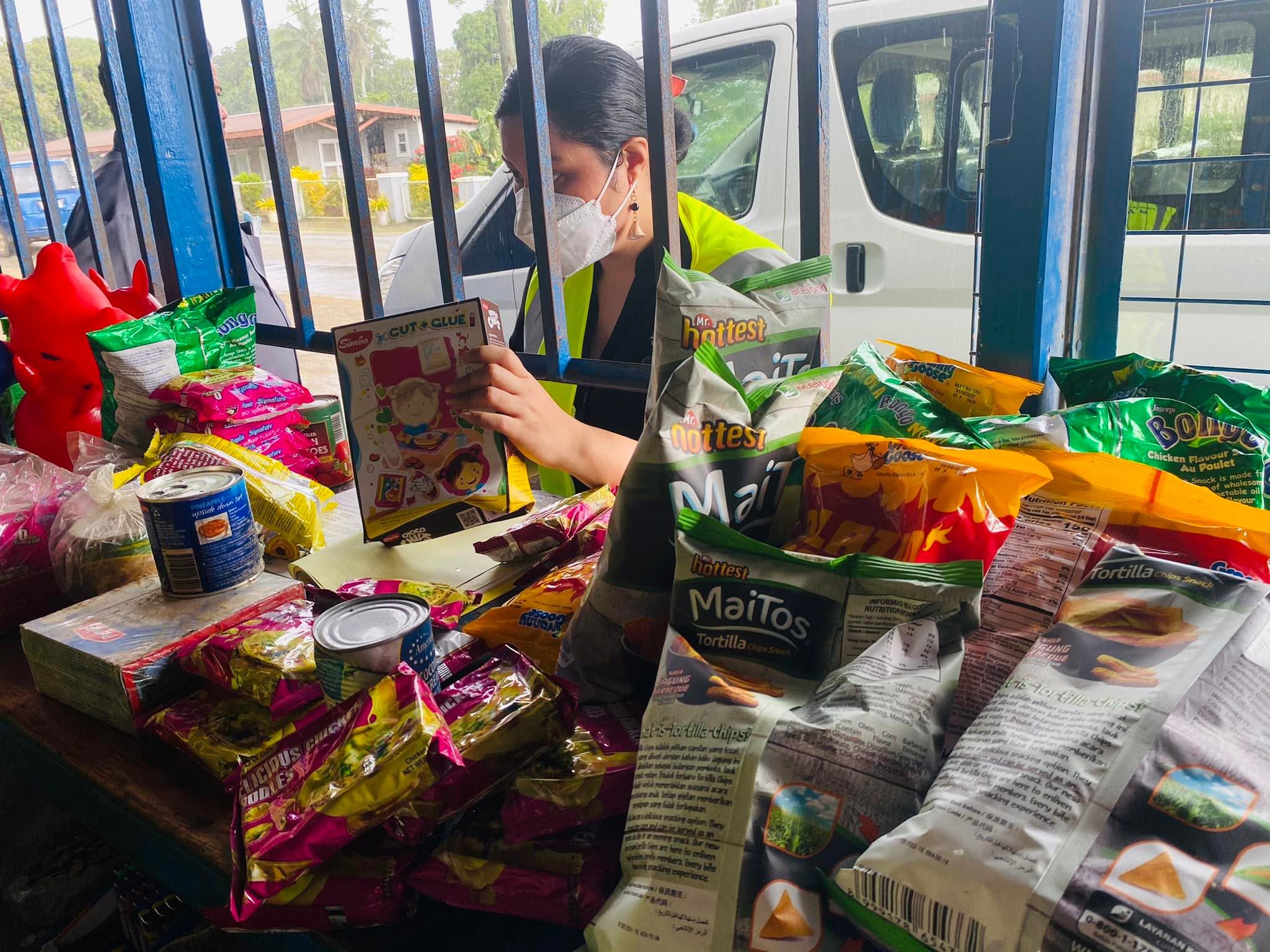
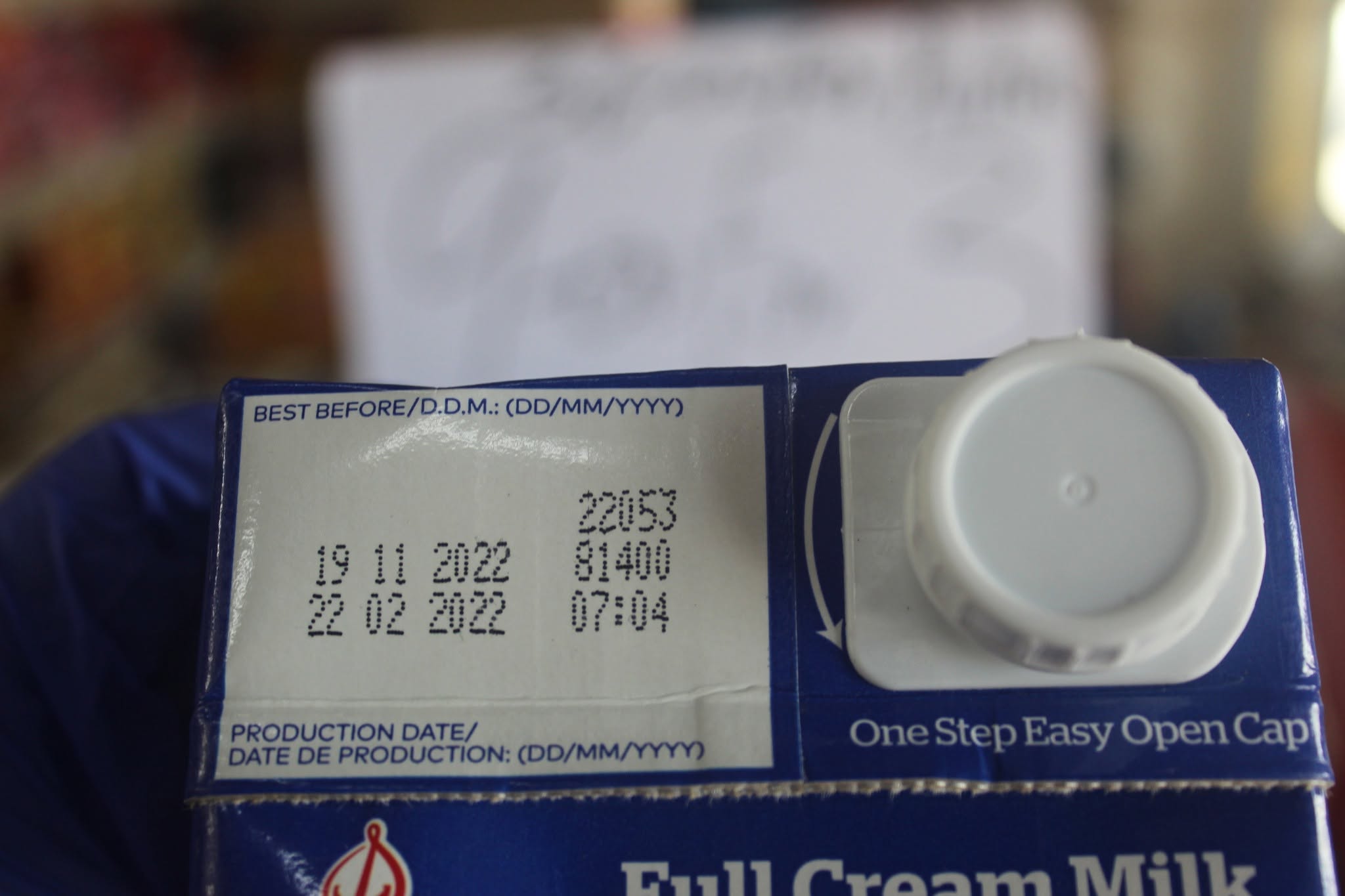
You grab a carton of Anchor Milk from the shop on the corner, get it home, and see the date on the top expired two months ago. Or you buy a packet of Twisties for the kids (or yourself) and the price at the till is fifty seniti more than the shelf said. Most people shrug, put it down to bad luck, and never go back to say anything.
Tonga's Consumer Protection Act 2025 deals with all of that. It does two things: it gives buyers real rights when a purchase goes wrong, and it tells shops and traders how they are expected to behave.
What you are promised when you buy something
When you buy goods from a business, the new law says they have to be of acceptable quality. In plain terms: they should work, look right, be safe, be free of faults, and last as long as you would reasonably expect for that kind of thing at that kind of price.
They also have to match how they were described to you, or the sample you were shown. If you told the seller what you needed the item for, it has to be suitable for that.
There is also a rule about repairs. A seller must either make sure parts and repairs are reasonably available, or tell you up front that they are not.
None of this can be signed away in the fine print.
When something goes wrong: think in 28s
Tell the seller within 28 days of noticing the problem. You can do it in person, but say clearly what is wrong.
The seller then picks the fix: repair it, pay for you to have it repaired, replace it, or refund you. Worth knowing that the choice is the seller's, not yours.
If nothing is done within 28 days, you can hand the item back and ask for your money. The refund is then due within 28 days.
Did you know? A refund has to be actual money. Cash, a bank deposit, or back onto your card. The law says a shop has not refunded you by handing over store credit or letting you pick something else off the shelf.
Services work much the same way. Work has to be done with reasonable care and skill, finished in a reasonable time, and charged at a reasonable price if no price was agreed. If it is done badly and cannot be put right, you can walk away from the deal.
What shops will have to do
Show the price. On the item or the shelf. It has to be the full amount you will actually pay, tax included, and you cannot be charged more than the sticker says.
Give a receipt. Every time. With the date, the shop's name and address, what you bought and what you paid.
No expired stock. Selling goods past their expiry date is against the new law, and inspectors can take the stock away.
Tell the truth. No misleading advertising, no invented claims about where something came from or what it does, no advertising a bargain you cannot actually supply, no pyramid schemes, no pressuring people into buying.
Online sellers too. If you are selling on the internet as a business rather than clearing out your house, you have to make that clear to buyers.
Did you know? If a shop makes a claim about a product, it is up to the shop to show it had good reason to say so. You do not have to prove the claim was false.
Who to go to, and what it costs to get it wrong
A Consumer Affairs Division will take complaints and look into them, with inspectors who can visit shops, and a separate authority that can take matters further, including going to court on behalf of a whole group of people who were affected the same way.
Fines for an individual run from $500 to $5,000. For a company the minimum is $5,000, and the maximum can climb well above that for a serious breach by a large business.
Did you know? Inspectors will be able to issue an on-the-spot fine of $1,000 for things like not displaying prices, not giving receipts, or selling expired goods. It can only be paid at the Ministry, never to the inspector.
The short version
For shoppers: keep your receipts, notice the date something goes wrong, and speak up early. The clock starts from when you knew, or should have known, about the problem.
If you run a shop or a stall, start with the things a customer can actually see. Put the prices up and charge what they say, hand over a receipt, get expired stock off the shelf, and don't advertise anything you can't back up.
Comments
Loading comments…