
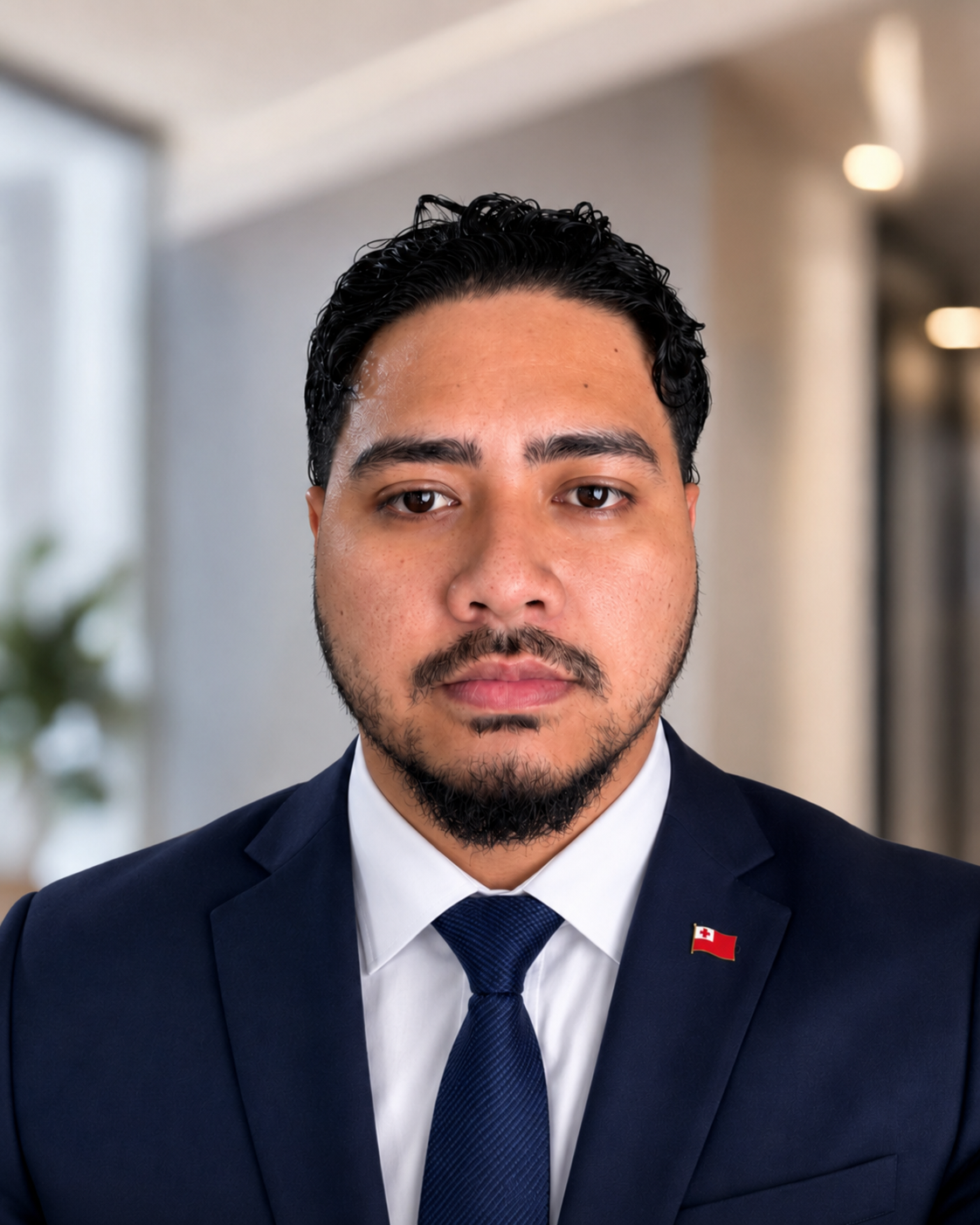

Every year, hundreds of Tongans leave in search of a better life for themselves and their families, and it is not difficult to understand why.
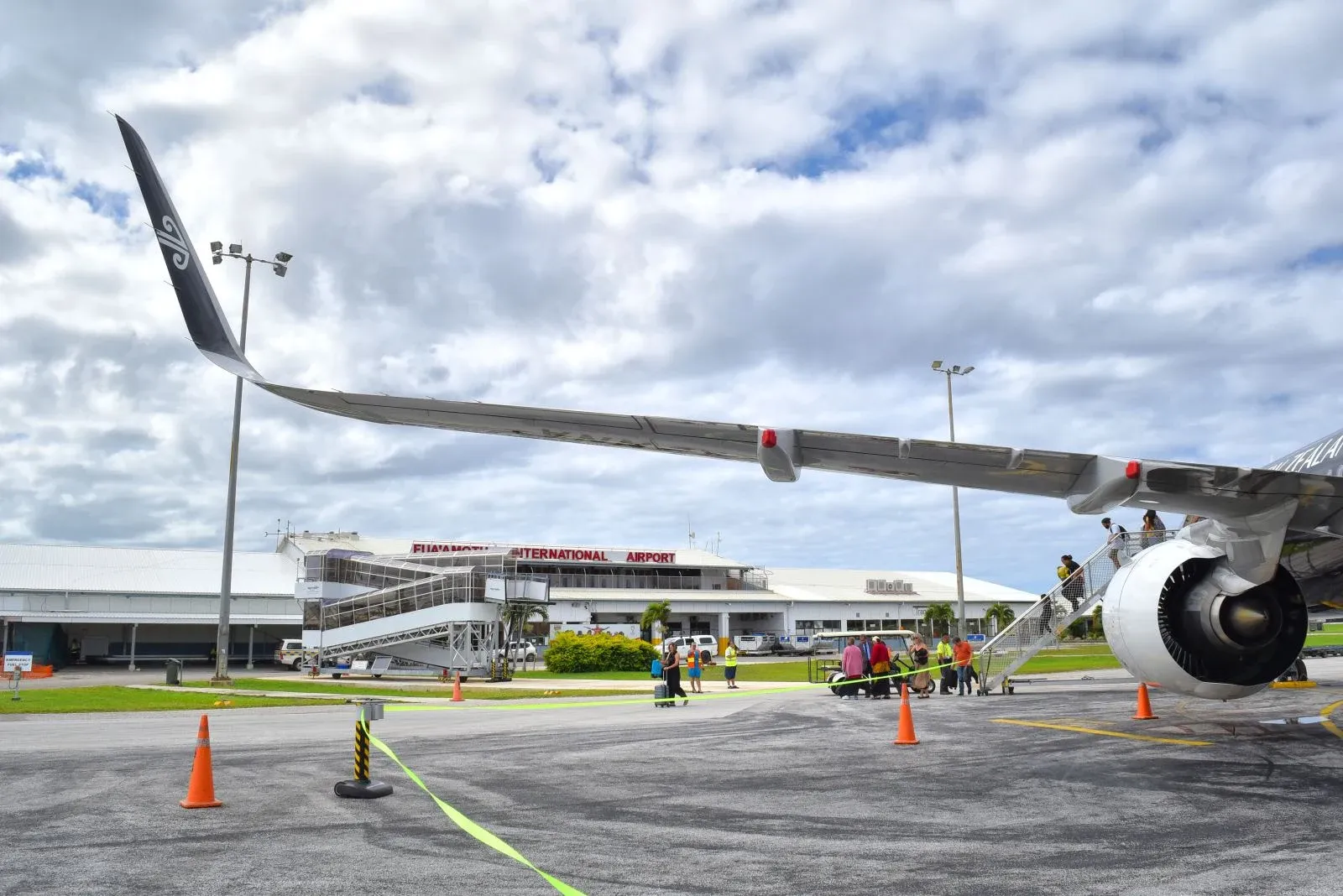
Put what someone can earn in Tonga next to what they might earn in New Zealand, Australia or the United States and, at first glance, the choice seems obvious. For a young person trying to help their parents, build a house or give their children more opportunities, the difference in wages can be hard to ignore.
I left too, three years ago, although money had nothing to do with it. I left for family reasons and, knowing what I know now, I would make the same decision again. Those three years changed a lot for me. I got married, my faith became much more central to my life, I went through difficult seasons personally and professionally, and I saw more of the Pacific from the perspective of someone actually living and working away from home. By the time I came back, Tonga looked different to me.
Part of that was because I had finally experienced the other side of the higher salary that people talk about.
The part nobody talks about
There is no question that you can earn much more overseas, but you also begin paying for things that you barely thought about growing up in Tonga. Tax comes out of the pay before it reaches you, then there is rent, petrol, insurance, registration, childcare, electricity and groceries. It all adds up quickly, and after a while you realise that comparing wages by themselves does not tell you very much about how a family actually lives.
Food was one of the things I probably took for granted most before leaving. In Tonga, almost every family has an ‘api 'uta or tax allotment, and nine times out of ten somebody in the wider family is planting something.
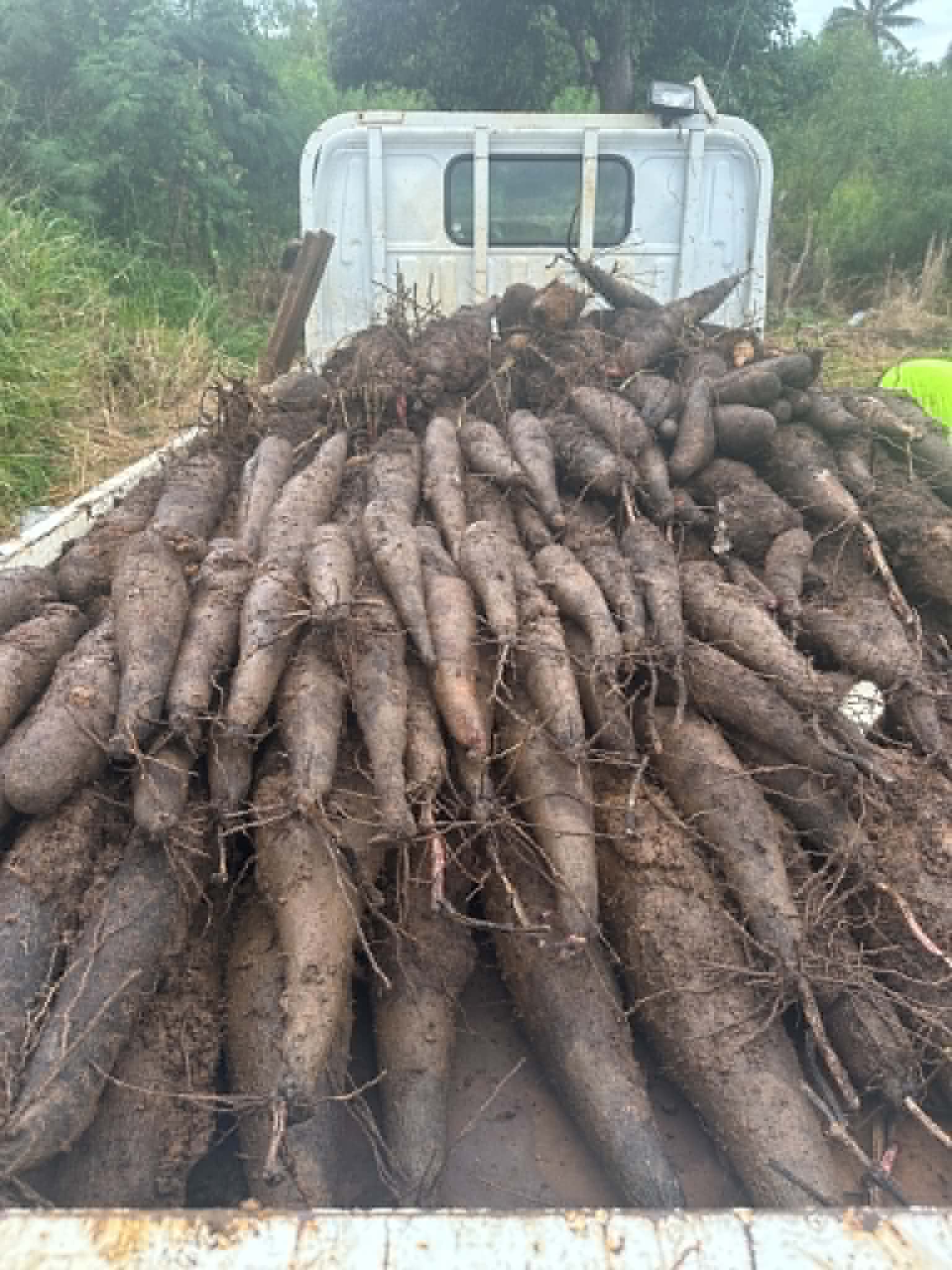
Maybe it is your parents, your grandparents, an uncle or an aunt. ‘Ufi (yams), talo (taro), manioke (cassava), kumala (sweet potato), temata (tomatoes) and more are easily accessible. Depending on the season, they sometimes get quite pricy, but more often than not they are affordable and you could expect some for free occasionally. Someone will come over and there will be food in the back of the vehicle and they're dropping by to say a quick hello and to drop off a basket of food. It is simply part of how we live.
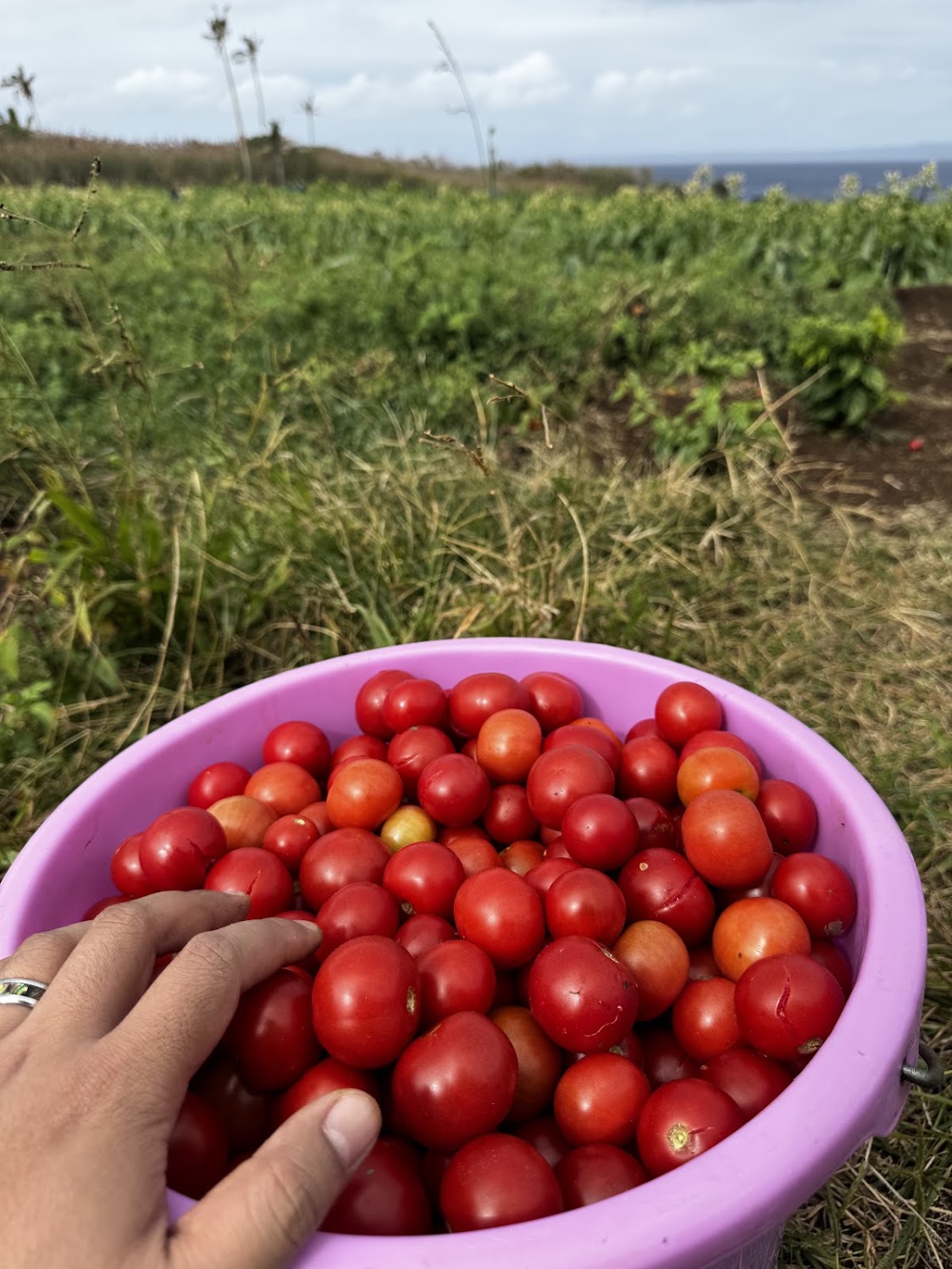
You do not usually stop and calculate the value of it because nobody hands you a receipt.Living away made me realise how much that matters.
There is also a different kind of cost that comes with being away. Funerals happen and flights are too expensive at short notice. Your parents and grandparents get older while most of your conversations with them happen through a screen. Children in the family grow up between visits. You can spend months looking forward to coming home and then realise that the airfare alone will take a good portion of what you managed to save.
None of that makes migration a bad decision. It has transformed the lives of Tongan families for generations. Remittances pay school fees, build houses, support churches, carry funerals and keep households going. I would never pretend otherwise, especially when leaving was something I had to do myself.
What I have started questioning instead is whether we are doing enough to show people that leaving is not the only serious economic option available to them.
We are very good at helping people leave
Seasonal work is a good example.
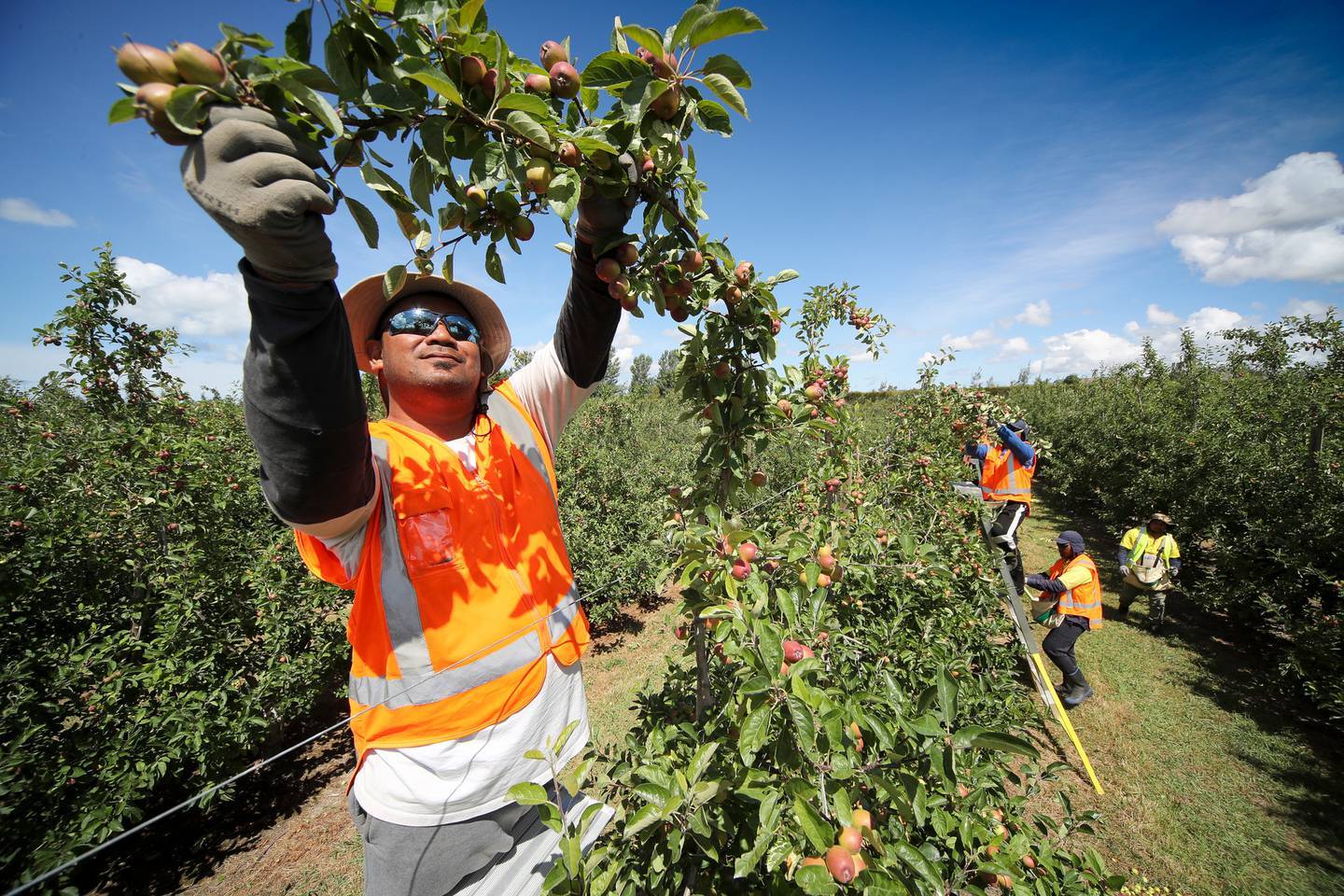
Ask a young person in Tonga about working overseas and there is a reasonable chance that either they know how the process works or somebody close to them does. Information about recruitment moves quickly through families, villages, churches and social media because everybody understands what the opportunity is and why it matters.
Business is different. A young person can have a perfectly good idea and still have no idea how to turn it into anything. They may not know where to register a business, which licence applies, what taxes they will have to deal with, whether they can use or lease land for what they want to do, what a lender will want to see, or what happens if two relatives put money into the same business without agreeing properly on ownership.
All of that information exists in one form or another, but much of it still assumes that the person looking for it already understands the system. That is a problem in a country where we say we want more local businesses and a stronger private sector. If the first experience of entrepreneurship is being sent from office to office trying to work out which form applies, plenty of people will give up long before the business has had a chance to fail on its own merits.
That is the part I think we can do better. We have become very efficient at explaining the pathway from Tonga into somebody else's labour market. We should be just as deliberate about explaining the pathway from an idea into a Tongan business.
What working away changed for me
My work outside Tonga probably changed my perspective on this more than anything else. Legal practice gives you a strange view of business because you often see the transaction before the public sees the finished product. You see the questions investors ask, the risks they are worried about, the approvals they need, the structure they choose and the way they look at a small economy like ours.
I have seen people come into Pacific countries and identify commercial opportunities very quickly.

Sometimes there is nothing particularly sophisticated about what they have noticed. They see demand that is not being met, land that could be used differently, a service that does not exist yet, or a product that people are already buying from somewhere else. Then they begin putting the pieces together.
Tonga needs that investment and I have no problem saying so. Foreign investors bring capital, expertise and employment, and many projects would not happen without them. But there have also been times when I have been involved in work and found myself wondering why a local was not on the ownership side of the transaction or why no one had thought of that idea.
That made me rethink the way we talk about Tonga as though there is very little here.
We have agriculture, fisheries, tourism, construction, professional services, energy, sport and an ocean that is itself an enormous economic resource. We also have a diaspora spread across New Zealand, Australia, the United States and elsewhere that remains deeply connected to home. We usually speak about that diaspora in terms of what it sends back to Tonga, particularly remittances, but that relationship works in the other direction as well. Tongans overseas buy Tongan food and products, travel home, build houses, invest in family property and pay for services here.
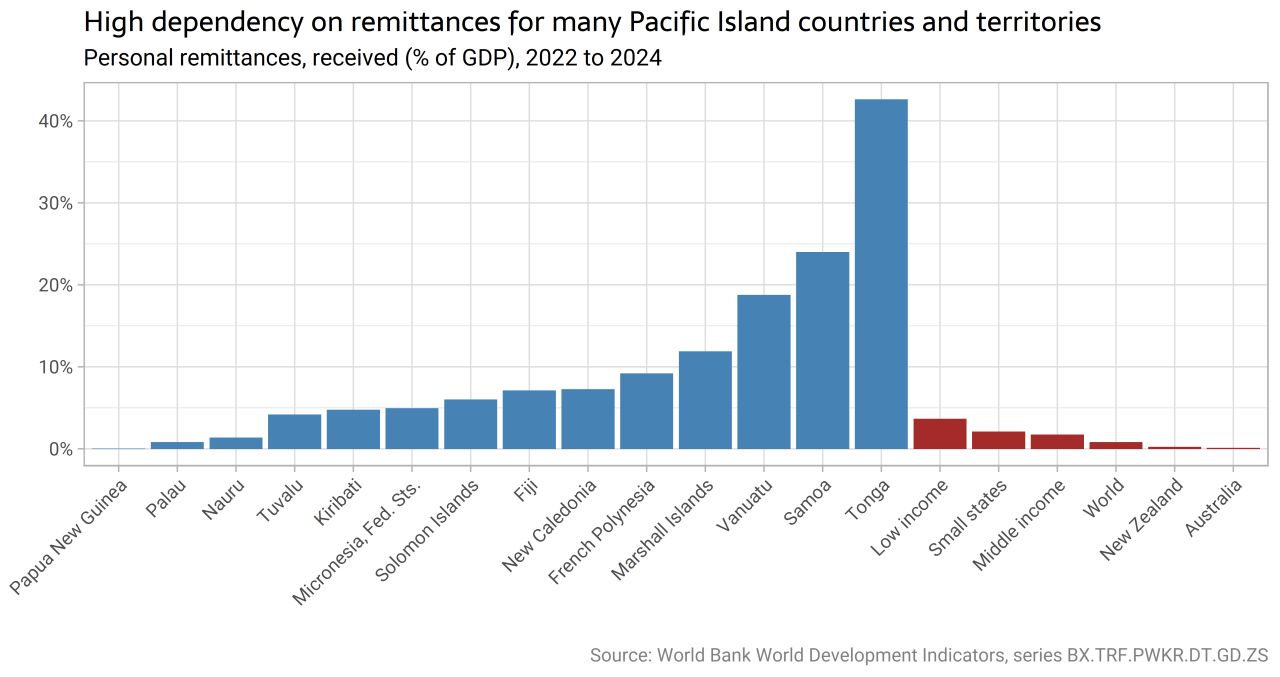
There is a market sitting inside that relationship that local businesses can serve much better than we currently do.
Technology has opened another side of it. Some businesses still depend heavily on our physical location, shipping costs and the size of the domestic market. Others do not. A person providing professional, creative or digital services from Nuku‘alofa can now work for clients who are nowhere near Tonga. That does not remove all the disadvantages of being a small island economy, but it changes some of the old assumptions about what you have to leave the country to do.
I do not think Tonga lacks opportunity. I think too many opportunities still feel inaccessible to the people who live here because they do not know how to get from an idea to the first practical step.
October
That is really where the free business consultations in October come from.
I am not expecting everyone who walks through the door to have a brilliant business plan. In fact, I would rather people came before they had one. Bring the idea you have been talking about with your family for the past few years. Bring the small business you have already started informally. Bring the thing you have been thinking about but have not done anything with because you do not know what the next step is.
We can work through the practical questions together: how the business should be structured, what has to be registered, which licences may be needed, whether land or leases are involved, how to deal with employees, contracts or investors, and whether the idea makes sense once the legal and commercial realities are put around it.
Some ideas will work and some will not. Some may need to become something completely different. That is normal. The purpose is not to tell everybody they should become an entrepreneur; it is to make sure people who genuinely want to try are not being stopped simply because nobody has explained the process to them.
I also think there is a larger issue behind it. Tonga cannot build the kind of economy we want if Government remains the place everybody looks to for employment. A stronger private sector means businesses creating jobs, businesses buying from one another, people learning new skills and more money circulating through the local economy instead of every economic conversation eventually coming back to remittances, aid or public-sector employment.
Government has an important role in making that possible, but it does not need to run the businesses. It needs to make the path into business clearer and easier to navigate. If information about seasonal work can reach villages, churches and families across Tonga, information about starting a business can too.
I am not arguing that people should stop leaving. I would be a hypocrite if I did.
Leaving was an important part of my own life. I built a family while I was away. I grew professionally, went through experiences that changed me, and came home with a much clearer idea of what I wanted to do with the next part of my life. There will always be Tongans who need to leave for education, work, family, health or simply because they want to experience something bigger than what is available here.
What I would like to change is the assumption that success necessarily happens somewhere else.
A young Tongan should be able to look at their future and see more than two choices: remain here and struggle, or leave and succeed.
They should be able to leave and come back, stay and build something, invest from overseas, start something with relatives at home, sell into the diaspora, grow a business slowly while working somewhere else, or take whatever experience they acquire abroad and eventually bring it back.
Three years ago, leaving was the right decision for me. Coming home was also the right decision.
I am still finding out what I can build here, but perhaps that is part of the point. We spend a great deal of time showing Tongans what is waiting for them when they leave.
I think we should spend a little more time showing them what might be possible if they stay, return, or decide to build something of their own.
If you have an idea, bring it in October. We will start there.
Comments
Loading comments…