


Most of the questions we get from overseas come in the same order. Can I buy land. Can I put up a house on the family allotment. Can I start a business here and run it from Auckland or Salt Lake City. What will it cost.
Below is what we usually tell people, in the order we tell them.
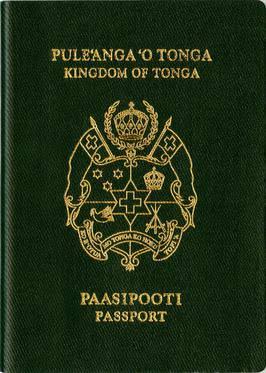
Confirm your own status before anything else
Your legal status in Tonga decides what you can hold, what approvals you need, and how your estate is dealt with when you die. It is worth resolving before you spend money.
Common gaps we see: a birth overseas never registered in Tonga, a parent's own status never documented, or an assumption that citizenship passed down automatically when the law at the time said otherwise. The Nationality Act has been amended several times and the rules that applied to your grandmother may not apply to you.
Bring your birth certificate, your parents' birth certificates, and any Tongan passport or citizenship papers in the family. This is a short piece of work and it changes everything that follows.
Land
Land in Tonga cannot be sold. The Constitution says so directly. All land is Crown property, and no person, including the King and the nobles, may sell it. Land may be leased, and mortgaged under the Land Act, but not sold.
So when someone offers to sell you a block, one of four things is actually on the table.
A registered allotment. Town allotments ('api kolo) and tax allotments ('api tukuhau) are granted to Tongan subjects under the Land Act. They are not freehold. Succession is fixed by statute, not by your wishes, and a naturalised subject has no entitlement to a grant of a hereditary allotment.
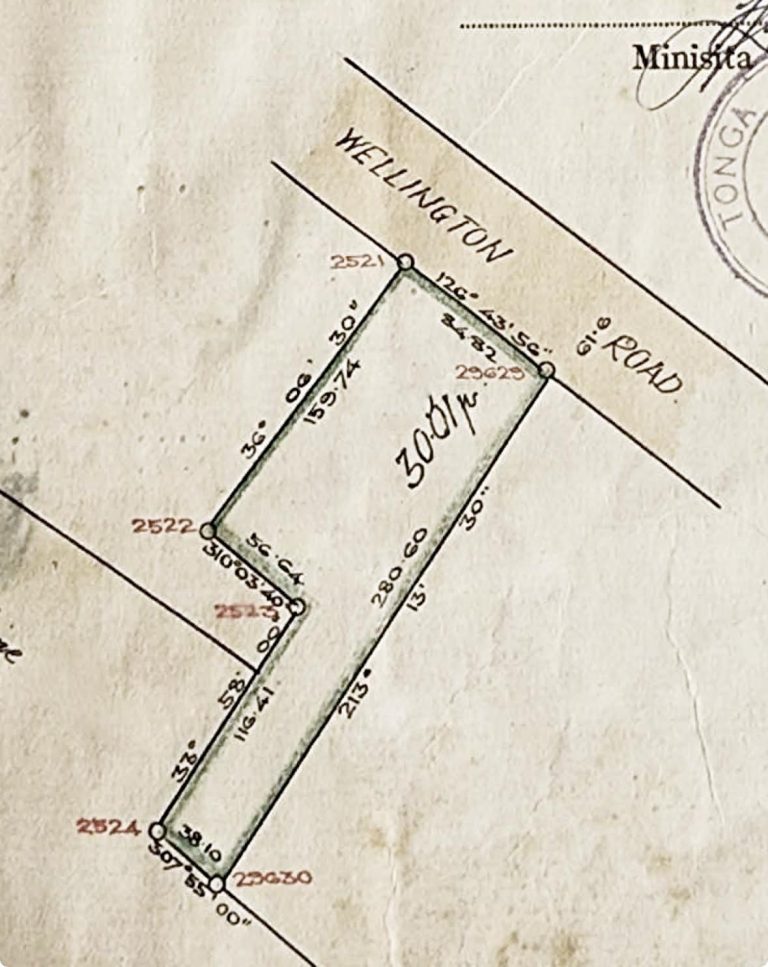
A lease. The only secure route for a non-Tongan, and a common route for Tongans. A lease is granted by the Minister of Lands with the consent of Cabinet. Where the term runs beyond ninety-nine years, His Majesty in Council must consent. An agreement signed with a landholder that has not been through that process is not a lease.
A building. Ownership of a building in Tonga is often separate from the interest in the land beneath it. It is possible to own a house sitting on land you have no enforceable right to occupy.
A family arrangement. "Uncle said the back half is ours" matters socially and carries no legal weight on its own. Money spent on land held on that basis is the most common land dispute we see.
Two further points. The foreshore is Crown land, so jetties, seawalls and reclamation need their own permission. And boundaries on the ground frequently do not match boundaries on the register.
Rule of thumb: nothing gets built until the interest is registered, in your name, in a form the Ministry of Lands recognises.
Setting up a business
Company registration, business names, business licences and foreign investment registration now run through an online registry system, and the list of activities closed or restricted to foreign investors was cut back under the Foreign Investment Regulations 2021. Tonga is more open than most of the region.
The sequence:
Structure. Company, sole trader, partnership, or branch of an overseas entity. Most operating businesses should be companies, for liability reasons and because it makes bringing in family or outside capital cleaner later.
The foreign investor test. This is the step diaspora clients most often miss. Under the Foreign Investment Act 2020 a company incorporated in Tonga can still be treated as foreign if enough of its shares or control sits offshore. If you are partnering with an overseas investor, or holding your shares through an overseas company, your local company may not be local. Have the shareholding checked before you set it.
Foreign Investment Registration Certificate. Issued by the Ministry of Trade and Economic Development where required. Some activities are prohibited outright, some are reserved for Tongan investors, and some are restricted, meaning open to foreigners on conditions such as minimum capital, employment, or local participation.
Business licence. Separate from registration. Incorporating a company does not authorise you to trade.
Sector approvals. Tourism, fisheries, financial services, telecommunications, transport, health, education, liquor and construction each carry their own licensing on top of the general requirements.
Tax registration. A Tax Identification Number, and consumption tax registration once turnover requires it. Consumption tax is 15 per cent, which you must register for once you hit the $100k annual threshold after expenses, and company income tax is 25 per cent.
Immigration. Work and residence permits for any non-Tongan staff, including you. This is a separate process and generally requires the business paperwork to already be in place.
What actually slows projects down
Approval times. Cabinet consent for a lease is measured in months, not weeks. Budget for it.
Records. Land registers, company files and family documents are not always complete or digitised. Due diligence here means visiting the Ministry, walking the boundary and talking to people.
Freight. Nearly everything is imported. Shipping schedules, port delays and duty will move your build cost more than any other factor. Price everything landed in Nuku'alofa.
Credit. ANZ and BSP operates in Tonga. Other options include TDB and MBF and all four have varying interest rates, packages and terms and conditions.
Family employment. Normal, expected, and the quiet cause of a lot of failed businesses. Set out roles, pay and ownership in writing before the business exists. A shareholders' agreement is what allows the family relationship to survive the commercial one.
Outer islands. Ha'apai, Vava'u, 'Eua and the Niuas add logistics, power and staffing problems. They also hold much of the tourism upside.
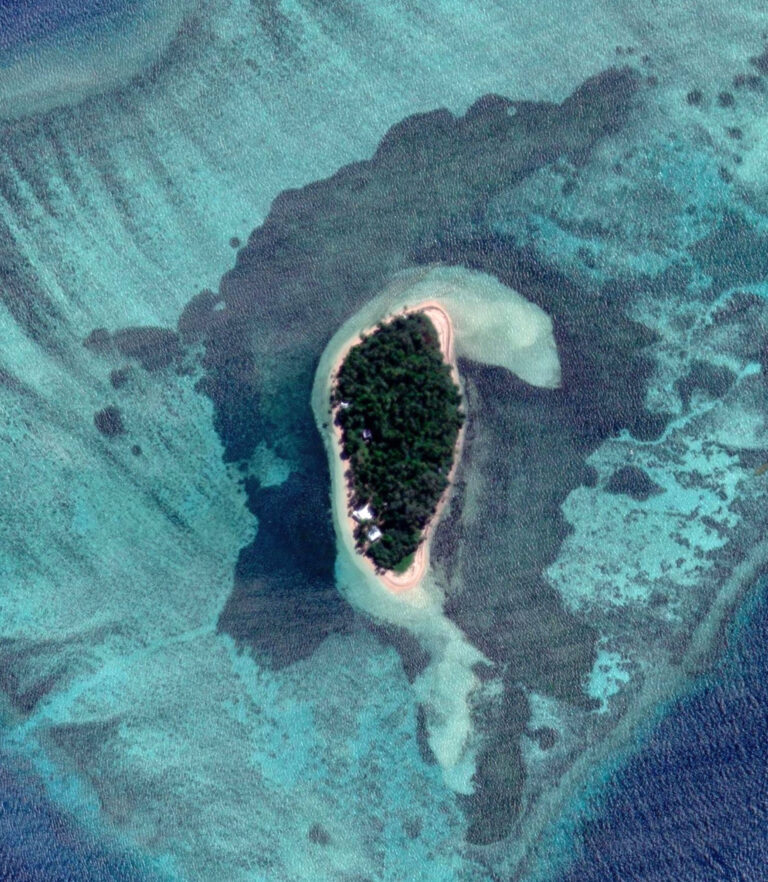
Natural hazard. Cyclone, tsunami and volcanic risk are ordinary business facts here. Insurance exists but is limited and priced accordingly. Read the policy.
Longer term
Wills. Assets in two countries usually need more than one will. Tongan land succession follows the Land Act despite whatever your will says, so plan for both systems rather than assuming one covers the other.
Company succession. Who takes your shares, and who runs the business if you cannot. Put it in the constitution and the shareholders' agreement.
Family status. Marriage, adoption and guardianship across two jurisdictions raise questions worth settling before they become urgent.
Compliance. Annual returns, licence renewals, tax filings and lease conditions. More businesses here get into trouble through slow non-compliance than through any actual dispute.
Where to start
Confirm your status and your family's documentation. Confirm what interest exists in the land you are relying on, in writing, from the register. Fix the ownership structure on paper.
Everything after that is straightforward by comparison.
We act for families and investors on these matters from our office in Nuku'alofa. If you are still at the planning stage, that is the useful time to talk.
Comments
Loading comments…